A Treasure Chest of Natural and Cultural Wonders
Imagine standing before two million wildebeest, zebras, and gazelles, moving in synchronized harmony across the vast plains of Serengeti and Masai Mara. It’s a breathtaking spectacle—one that makes you feel like part of something truly extraordinary.
Then, there are the majestic peaks of Kilimanjaro, towering towards the sky, and endless grassy savannas stretching to the horizon. But Tanzania isn’t just about its awe-inspiring nature. The Masai tribes, with their vibrant attire and ancient traditions, along with the Hadzabe and Datoga peoples—lesser known but equally fascinating—all have their own stories, customs, and secrets to share.
A safari in Tanzania isn’t just a trip, it’s an experience that changes you.
Our Safaris
We offer individual and group safari experiences, ranging from single-day excursions to multi-day expeditions, exploring Tanzania’s national parks in the north, center, and south.
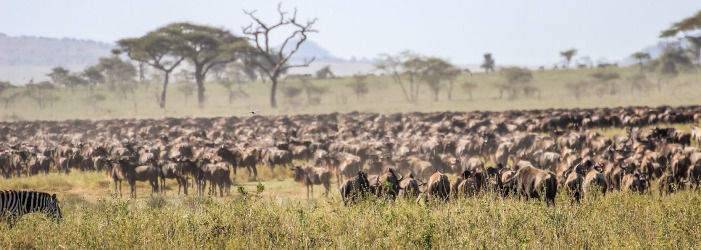 | Tarangire National Park Located in Tanzania’s Manyara region, Tarangire National Park is named after the Tarangire River, which runs through the park and serves as the main source of freshwater during the annual dry season. The Tarangire ecosystem is defined by the long-distance migration of wildebeest and zebras. During the dry season, thousands of animals congregate here, arriving from surrounding calving zones and wet-season dispersion areas. |
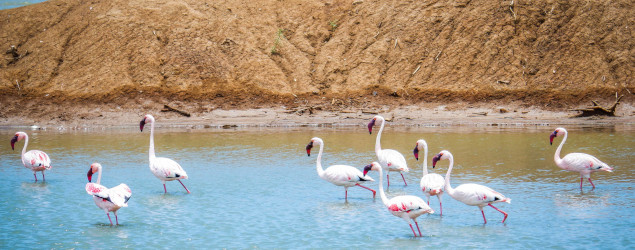 | Lake Manyara National Park Nestled between Lake Manyara and the Great Rift Valley, this protected area lies 126 km southwest of Arusha and covers 325 km², of which approximately 230 km² is the lake’s surface. To the south, rising above the park, you’ll find the Marang Forest Reserve, spanning 35,399 hectares. Lake Manyara National Park is also part of the Lake Manyara Biosphere Reserve, an Important Bird Area where more than 350 bird species have been recorded. |
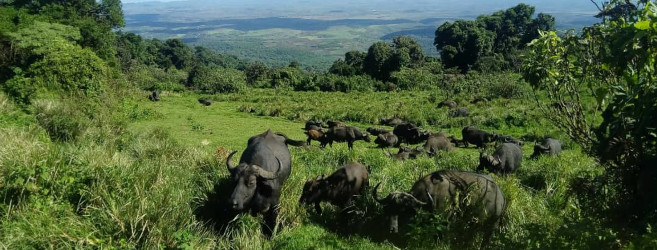 | Ngorongoro Crater and Ngorongoro Conservation Area (NCA) A UNESCO World Heritage Site, Ngorongoro Conservation Area is situated 180 km west of Arusha, within Tanzania’s highland crater region. This incredible protected area derives its name from the Ngorongoro Crater, a massive volcanic caldera, regarded as one of Africa’s richest and diverse wildlife habitats. The area is governed by the Ngorongoro Conservation Area Authority, an administrative branch of the Tanzanian government, and its boundaries align with the Ngorongoro division of Arusha region. |
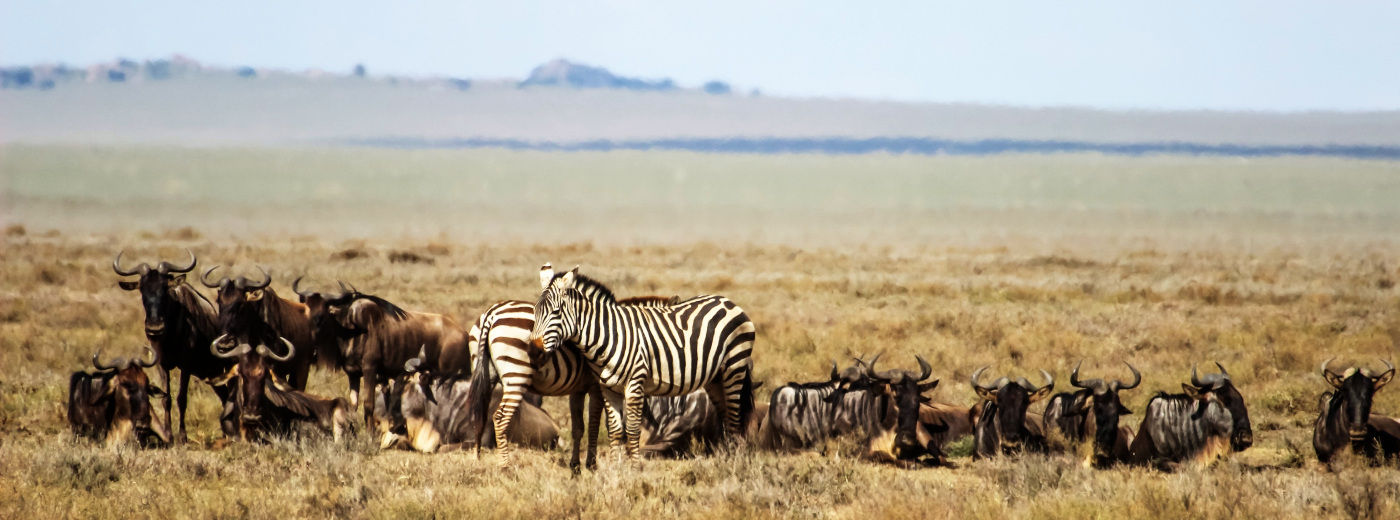 | Serengeti National Park Spanning 14,763 km², Serengeti National Park encompasses Mara and Simiyu regions and contains 1.5 million hectares of savanna. It is world-famous for hosting the largest annual migration, featuring 1.5 million blue wildebeest and 250,000 zebras, alongside an abundance of Nile crocodiles and the fearless honey badger. Serengeti forms the core of the Serengeti ecosystem, which extends into the neighboring Ngorongoro Conservation Area and Maasai Mara National Reserve in Kenya. |
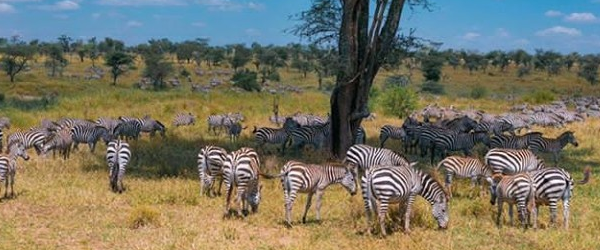 | Grumeti Controlled Area Bordering the northwestern edge of Serengeti National Park, the Grumeti Game Reserve was established in 1993 as a migration corridor for the vast herds of wildlife that naturally pass through the region. The Grumeti Wildlife Management Area (WMA), bordered by Serengeti National Park to the south and west and by Grumeti Game Reserve to the north, is one of Tanzania’s most scenic and diverse wilderness areas. Wildlife thrives here year-round, making it an exceptional place for game viewing and safaris. |
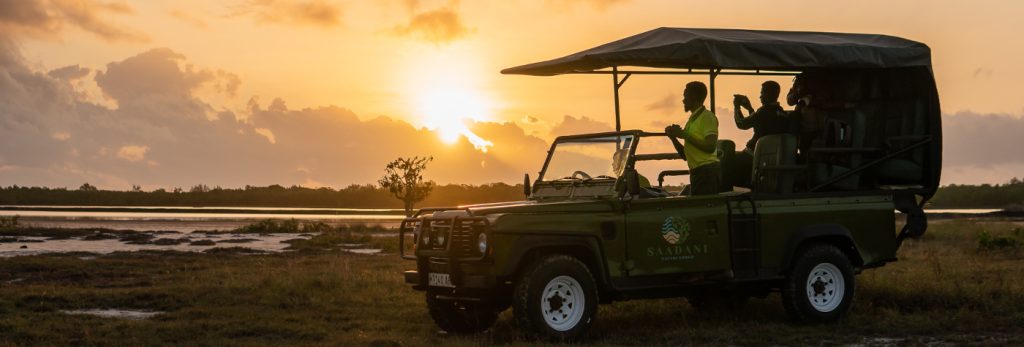
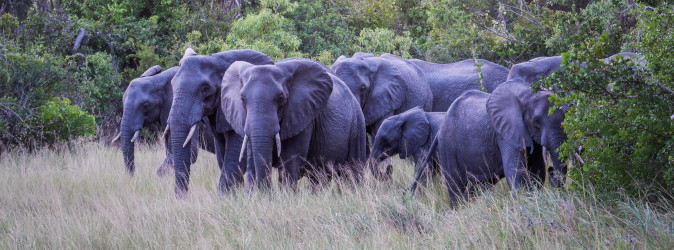 | Saadani National Park Located at the heart of the historical triangle formed by Bagamoyo, Pangani, and Zanzibar, Saadani National Park holds the distinction of being Tanzania’s only wildlife sanctuary bordering the ocean. Here, visitors can combine a safari experience with a relaxing beach stay—a truly unique opportunity in East Africa. This diverse coastal park is home to porcupines, genets, warthogs, baboons, and vervet monkeys. Out at sea, lucky visitors might spot schools of fish, dolphins, sea turtles, and humpback whales. Among the park’s most iconic wildlife species are hippos, crocodiles, lions, buffaloes, elephants, giraffes, zebras, dolphins, Zanzibar bush babies, blue monkeys, yellow baboons, hyenas, leopards, genets, and sable antelopes. Following its expansion in 2002, the park has doubled in size and has undergone major conservation efforts, including anti-poaching initiatives and the integration of nearby villages into wildlife conservation programs. |
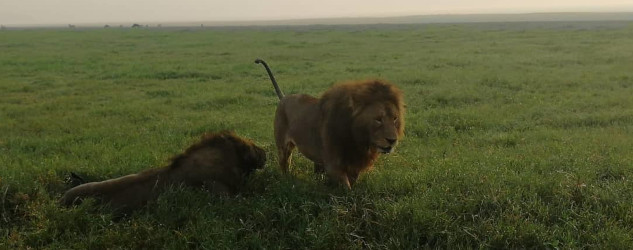 | Selus Game Reserve The largest protected wildlife reserve in Africa, Selous Game Reserve spans an astonishing 54,600 km². Named after Frederick Selous Courtney, a legendary hunter and explorer, the reserve was established in 1922 and later declared a UNESCO World Heritage Site in 1982, thanks to its rich biodiversity and pristine landscapes. The Rufiji River, Tanzania’s largest river, flows through the reserve, creating a network of swamps, channels, and lakes that sustain incredible wildlife populations. The reserve is divided into two main sections: Northern Selous, dedicated exclusively to photographic safaris; Southern Selous, which consists of designated hunting blocks, each covering around 1,000 km² (Note: we do not engage in or support wildlife hunting). |
To receive all the information about our Safaris